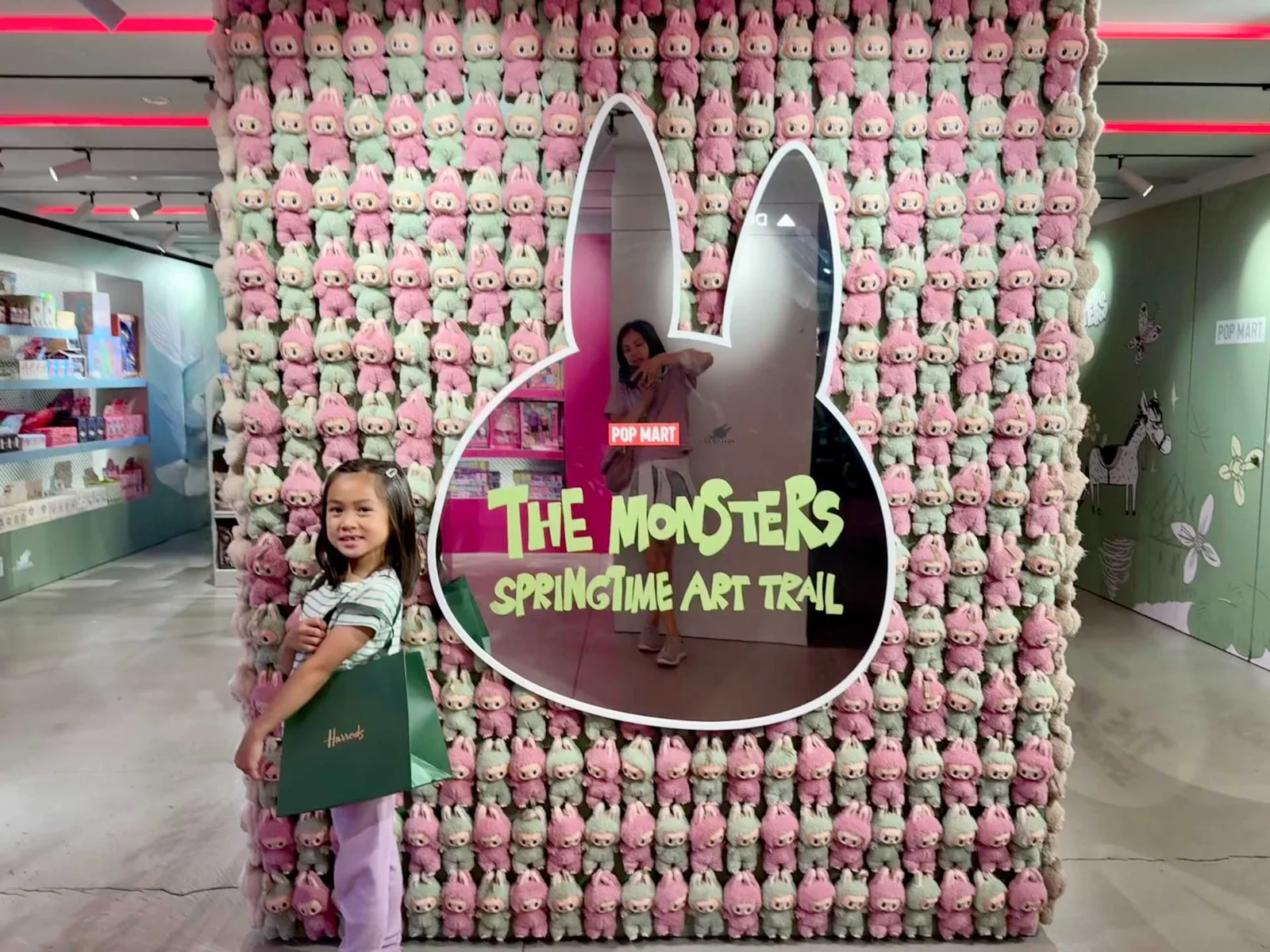




Harrods is a world-renowned luxury department store located in the heart of London's Knightsbridge district. Established in 1849 by Charles Henry Harrod, it has grown from a modest grocery store into one of the largest and most prestigious department stores globally. The current building, designed by C.W. Stephens, opened in 1905 and spans over 1 million square feet across seven floors, housing more than 330 departments. Harrods offers a vast array of products, including high-fashion clothing, fine jewelry, gourmet foods, and homewares. Its motto, 'Omnia Omnibus Ubique' (All Things for All People Everywhere), reflects its commitment to providing a comprehensive shopping experience. The store is also home to 22 restaurants, a bank, and a beauty salon, catering to a diverse clientele. Harrods attracts millions of visitors annually, making it a must-visit destination for both shoppers and tourists seeking a taste of luxury in London.
At a glance
Cost
Free / cheap
Setting
Outdoor
Ages
0–17
County
Greater LondonCountry
England
Rainy day
Great for rainy days
Travel tips
Location
Reviews
No reviews yet. Be the first to share your experience!
Sign in to leave a review
Nearby places
See all →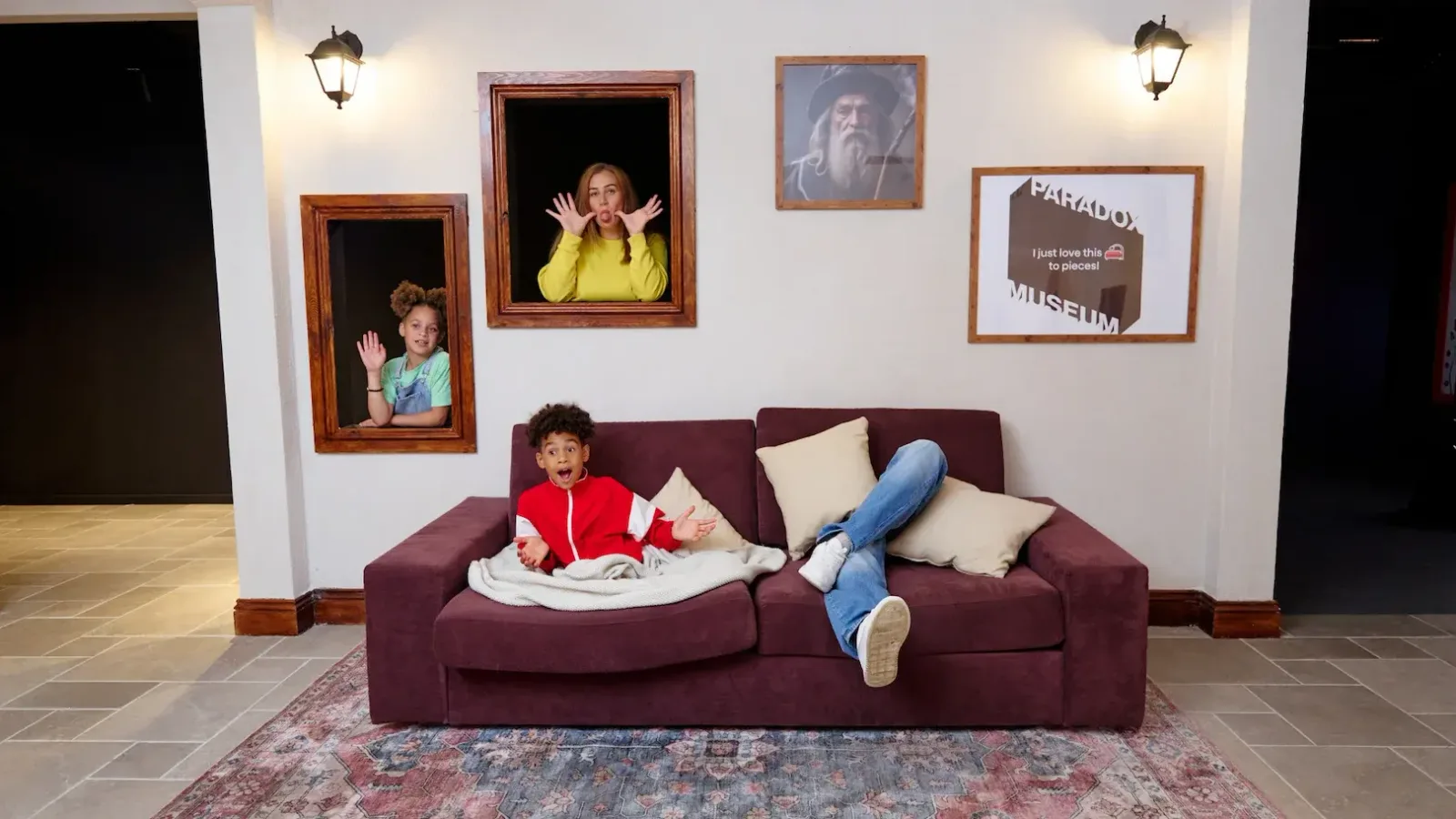
🏛️Paradox Museum London
Paradox Museum London is an immersive attraction located in Knightsbridge, renowned for its mind-bending illusions and interactive exhibits. Visitors can explore 25 themed rooms, each designed to challenge perceptions and provide a playful experience. Highlights include the Zero Gravity room, where visitors can defy the laws of physics, and the Paradox Tunnel, which creates dizzying optical illusions. The museum is situated directly opposite the prestigious department store Harrods and is a short walk from Hyde Park. ([visitlondon.com](https://www.visitlondon.com/things-to-do/place/51067555-paradox-museum-london?utm_source=openai))
🏛️Science Museum
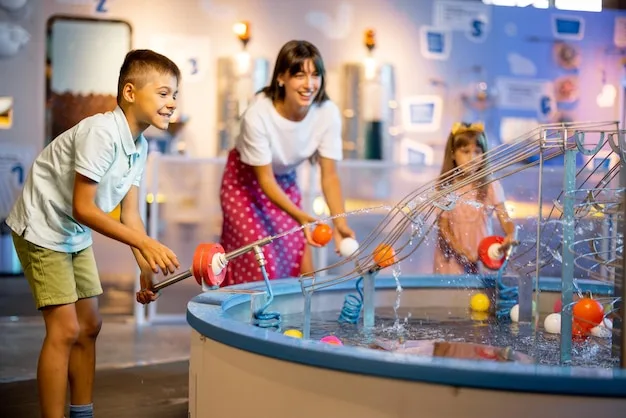
The Science Museum in London is a renowned institution dedicated to inspiring a passion for science, technology, and medicine. With seven floors of interactive exhibits, it offers a hands-on experience for visitors of all ages. Highlights include the 'Exploring Space' gallery featuring the Apollo 10 command module, the 'Wonderlab' interactive science gallery, and the 'Garden Gallery' designed for children under 8. The museum also houses the IMAX 3D Theatre, showcasing science and nature documentaries on a giant screen. Admission is free, with charges applicable for special exhibitions and the IMAX Theatre. The museum is located on Exhibition Road in South Kensington, easily accessible via the South Kensington Underground station, which provides step-free access. Nearby attractions include the Natural History Museum and the Victoria and Albert Museum, all within walking distance. The museum is open daily from 10:00 to 18:00, with the last entry at 17:15. To avoid crowds, it's recommended to visit on weekday mornings during school term times. For families, the museum offers facilities such as baby changing rooms, a family room, and a multi-faith room. There are also self-service lockers available for storing personal belongings. The museum has a café and additional food outlets inside, and there are also cafés and takeaways on Exhibition Road outside. The museum is wheelchair accessible, with lifts to all seven floors and accessible toilets on every floor. Free wheelchairs are available for loan, and staff are trained to assist disabled visitors. For the most up-to-date information, including any temporary exhibitions or events, please refer to the museum's official website.
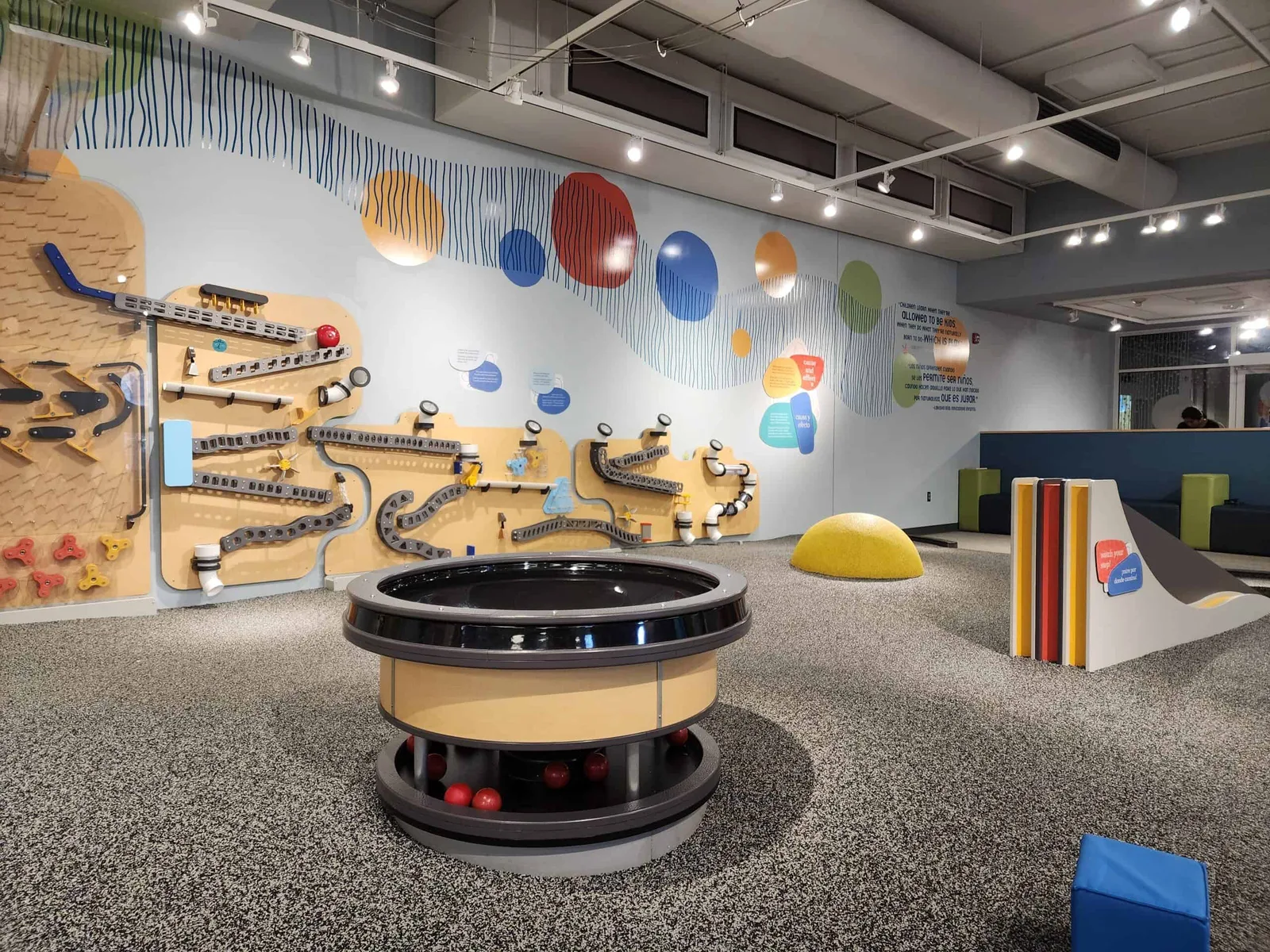
🔬Science Museum
The Science Museum in London is a world-class family destination with seven floors of interactive galleries and exhibits. Highlights include the Wonderlab interactive zone (ages 7+ but fun for all), the Apollo 10 command module, and the IMAX cinema. Kids love the hands-on experiments in The Garden (ages 3-6) and the flight simulators. - **Wonderlab**: 50+ hands-on experiments, live science shows. - **The Garden**: Play zone for under-8s. - **Fly Zone**: Flight simulators and a Concorde nose. - **IMAX**: 3D and 2D films on a giant screen. Facilities include plenty of baby-changing rooms, buggy parking, buggy-friendly lifts, and several cafés. Admission to the main galleries is free, but timed entry tickets must be booked online in advance. Special exhibitions and the IMAX cinema require paid tickets. The museum is fully wheelchair accessible and offers family-friendly lunch boxes in its cafés.
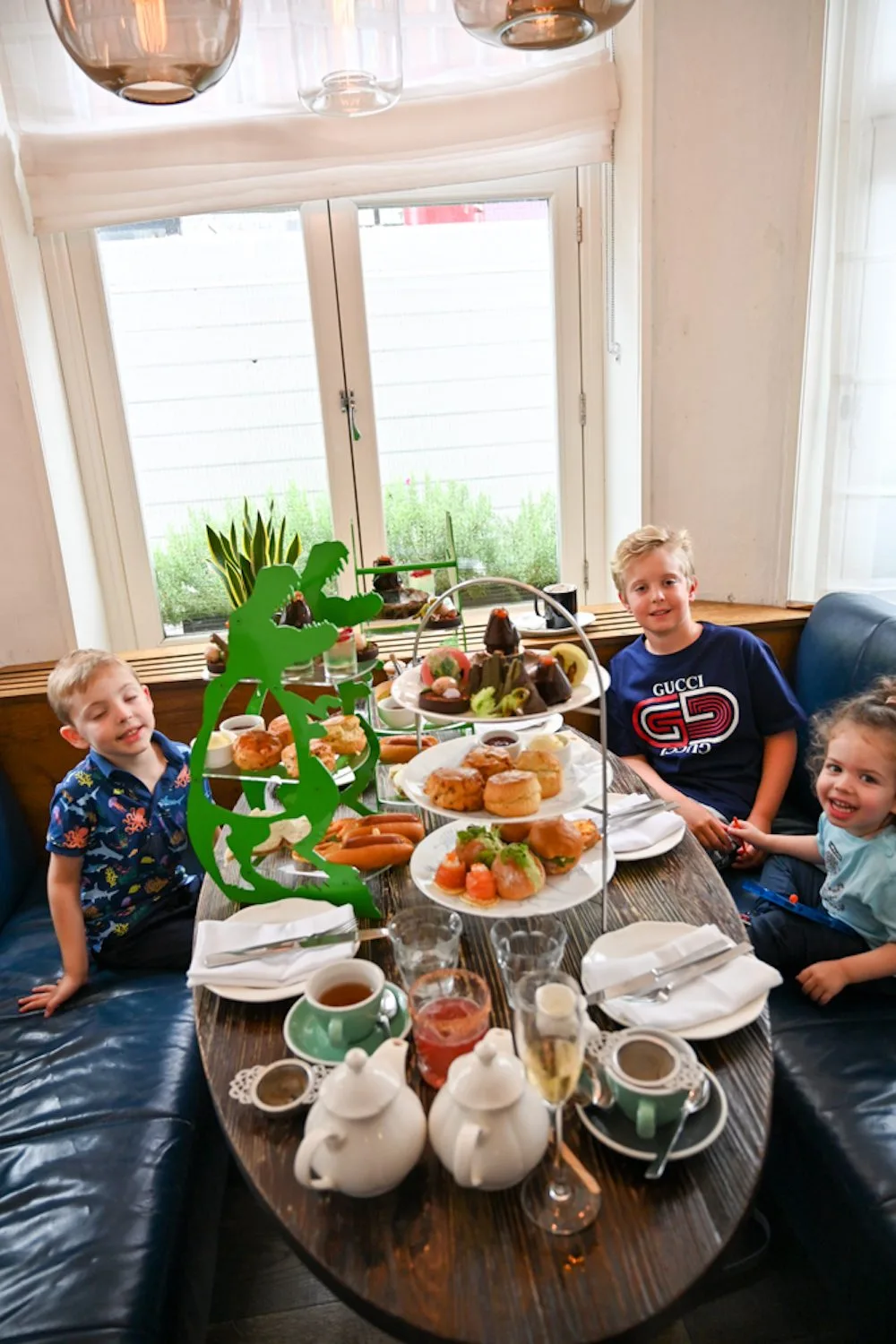
🫖Jurassic Afternoon Tea at Ampersand Hotel
The Jurassic Afternoon Tea at The Ampersand Hotel in London offers a unique, dinosaur-themed dining experience. Inspired by a time when dinosaurs roamed the earth, this afternoon tea features imaginative dishes such as a 'Volcanic eruption,' 'Jurassic mountain,' and a 'Dinosaur egg basket.' Guests can choose from various menus, including options for children, vegetarians, and those requiring gluten-free selections. The experience is available daily from 12:00 PM to 7:00 PM.
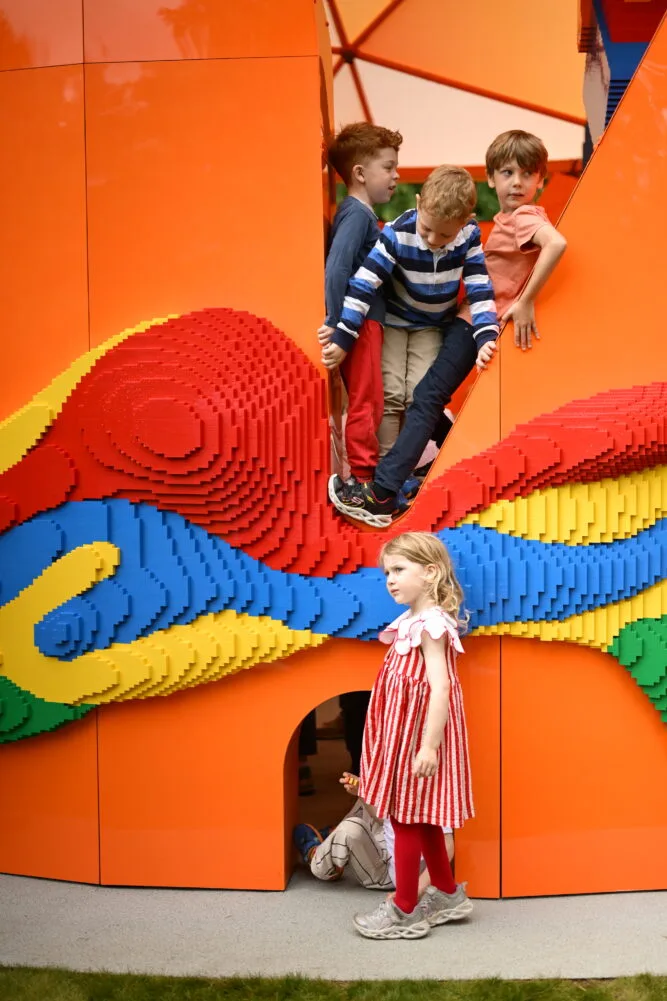
🛝Lego Serpentine Play Pavilion
The LEGO Play Pavilion is a vibrant and interactive public art installation located in Kensington Gardens, London. Designed by British architect Sir Peter Cook in collaboration with the LEGO Group, the pavilion invites visitors of all ages to engage with the creative possibilities of play. Incorporating LEGO bricks into its design, the pavilion offers an immersive three-dimensional environment where play becomes both a method of exploration and a space of imagination. ([serpentinegalleries.org](https://www.serpentinegalleries.org/whats-on/play-pavilion-commission-by-sir-peter-cook-in-partnership-with-the-lego-group/?utm_source=openai))
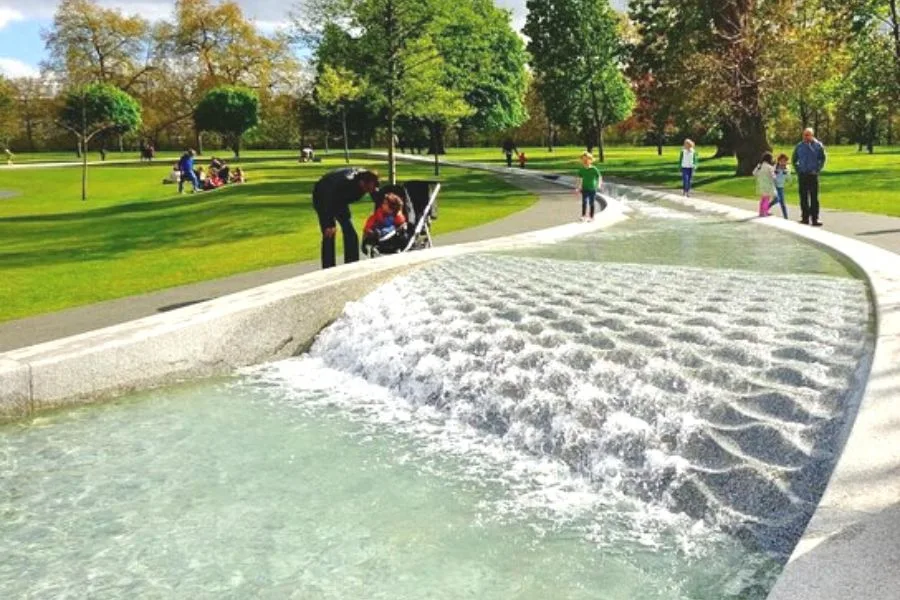
⛲Hyde Park Diana Memorial Fountain for splashing about
The Diana, Princess of Wales Memorial Fountain is a contemporary stone fountain located in the southwest corner of Hyde Park, London. Designed by American landscape architect Kathryn Gustafson, it was officially opened by Queen Elizabeth II in July 2004. The fountain features flowing water and accessible pathways, reflecting Diana's spirit and love of children. Visitors are welcome to touch the water and even wade in, making it a popular spot for families. The fountain is wheelchair accessible and free to enter. Opening hours vary seasonally, typically from 10:00 AM to 8:00 PM during the summer months. For more information, visit the official website: https://www.royalparks.org.uk/parks/hyde-park/things-to-see-and-do/diana-memorial-fountain.

🌳Hyde Park
Hyde Park is one of London's largest and most famous royal parks, spanning 350 acres. Families love the vast open spaces, playgrounds, and the Serpentine lake with pedal boats and swimming. - **Diana Memorial Playground**: A themed playground inspired by Peter Pan, with a pirate ship, sensory trail, and teepees. Suitable for under-12s. - **Boating and Swimming**: Rent pedalos or rowboats on the Serpentine; the Lido offers open-water swimming in summer. - **Horse Riding**: Horseback rides through the park's bridle paths (book in advance). - **Wildlife and Nature**: Spot swans, ducks, and squirrels; visit the Rose Garden and the Italian Gardens. Practical tips: Entry is free, but activities cost extra. Nearest tube: Lancaster Gate (Central), Marble Arch, Hyde Park Corner, or Knightsbridge. Bring snacks or visit the park's cafes. Restrooms available near playgrounds and the Serpentine.
🏛️Natural History Museum
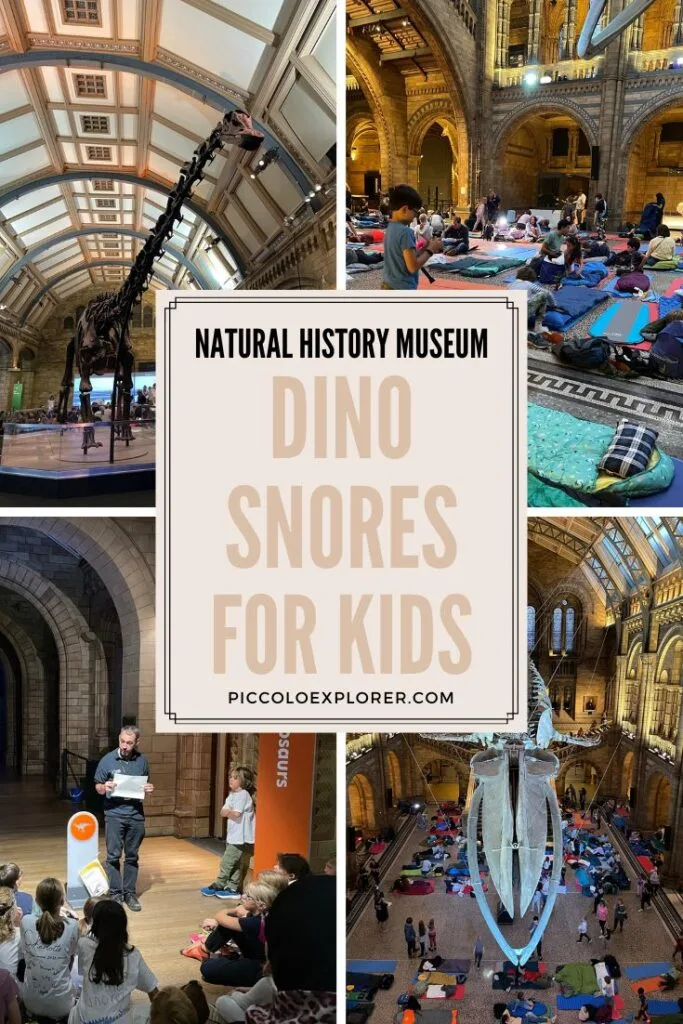
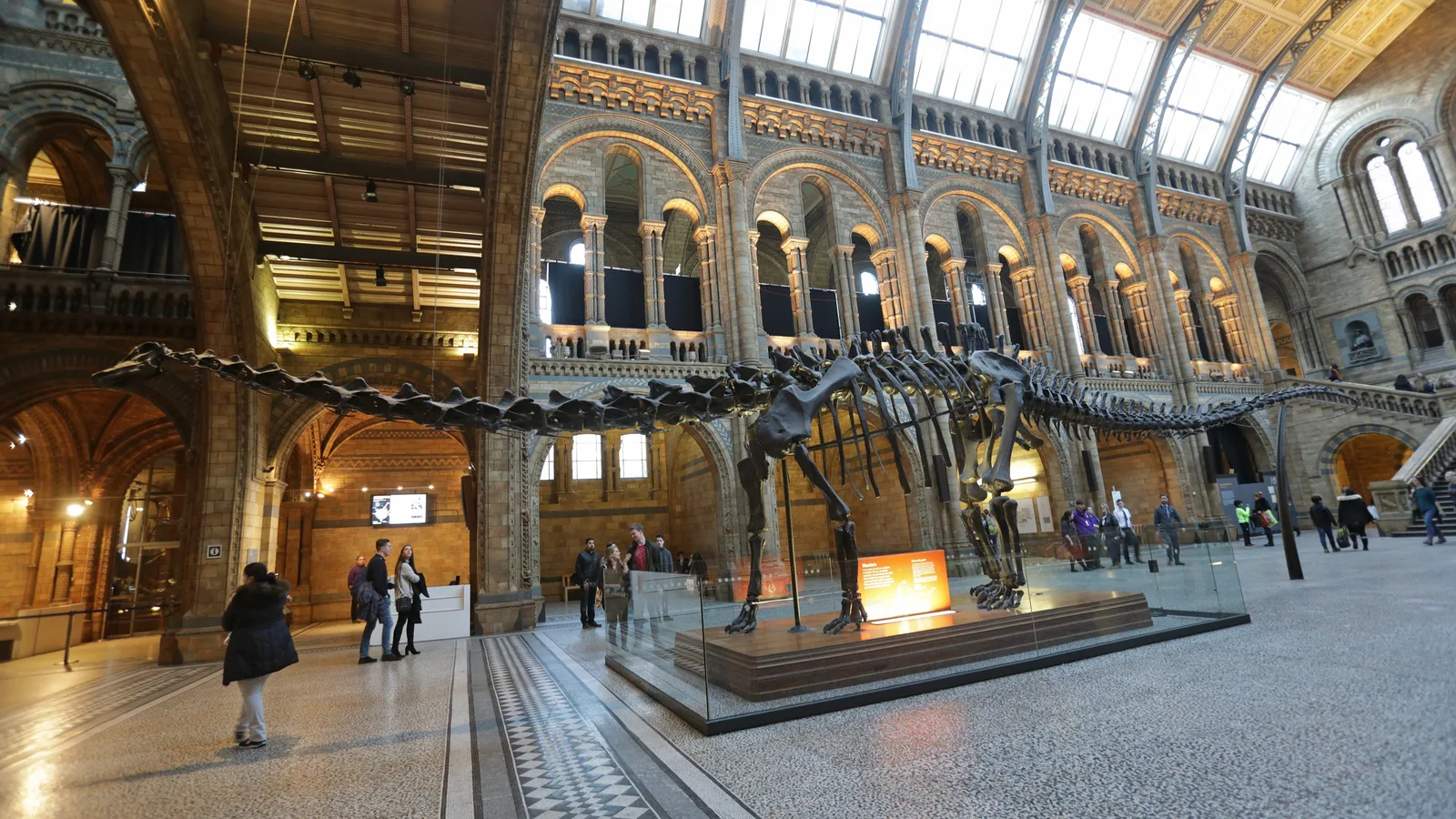
The Natural History Museum in London is a world-renowned institution housing a vast range of specimens from various segments of natural history. Established in 1881, it is located in South Kensington, London, and is one of the three major museums on Exhibition Road, alongside the Science Museum and the Victoria and Albert Museum. The museum's main frontage is on Cromwell Road. It is home to life and earth science specimens comprising some 80 million items within five main collections: botany, entomology, mineralogy, palaeontology, and zoology. The museum is a centre of research specialising in taxonomy, identification, and conservation. Given the age of the institution, many of the collections have great historical as well as scientific value, such as specimens collected by Charles Darwin. The museum is particularly famous for its exhibition of dinosaur skeletons and ornate architecture—sometimes dubbed a cathedral of nature—both exemplified by the large Diplodocus cast that dominated the vaulted central hall before it was replaced in 2017 with the skeleton of a blue whale hanging from the ceiling. The Natural History Museum Library contains an extensive collection of books, journals, manuscripts, and artwork linked to the work and research of the scientific departments; access to the library is by appointment only. The museum is recognised as the pre-eminent centre of natural history and research of related fields in the world.
🦕Natural History Museum, London
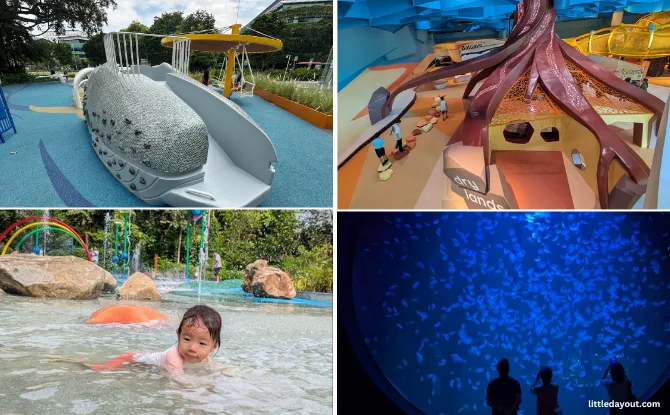
The Natural History Museum in London is a world-class museum packed with fascinating exhibits for all ages. Families love the iconic dinosaur skeletons, including the famous Dippy the diplodocus cast and the moving T. rex. Children can explore the Volcanoes and Earthquakes zone, the Wildlife Garden, and the hands-on Investigate Centre where they can handle real specimens. - Highlights: Dinosaurs, blue whale skeleton, earthquake simulator, butterfly house. - Facilities: Baby-changing, buggy parking, family toilets, picnic areas (outdoor). On-site cafes and gift shop. - Tips: Free entry, but timed slots book up fast; book ahead. Weekdays are quieter. The Investigate Centre is first-come, first-served. Use the Exhibition Road entrance for buggy-friendly access.
🦕Natural History Museum
The Natural History Museum in London is a world-class museum with fascinating exhibits for all ages. Families love the Dinosaurs gallery, featuring moving T. rex models and a roaring animatronic. The Hintze Hall is home to a stunning 25.2-metre blue whale skeleton suspended from the ceiling. Other highlights include the Volcanoes and Earthquakes zone, the Wildlife Garden, and the interactive Investigate Centre where kids can handle real specimens. The museum offers a variety of family-friendly facilities: - Baby changing and breastfeeding areas - Pushchair-friendly lifts and ramps - Family toilets - Cafés serving kids' meals - Free lockers for bags - Buggy parking in some galleries Practical tips: Entry is free (donations encouraged). Special exhibitions may have a fee. Arrive early to avoid queues, especially during weekends and school holidays. The museum is best for children aged 3–12, but older kids will also enjoy the hands-on activities and science demonstrations. Allow at least 2–3 hours for a visit.