

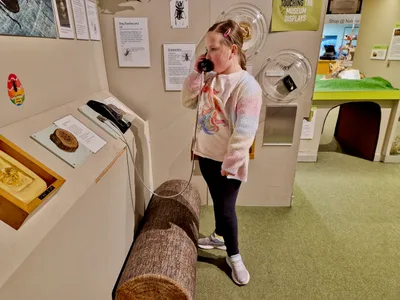
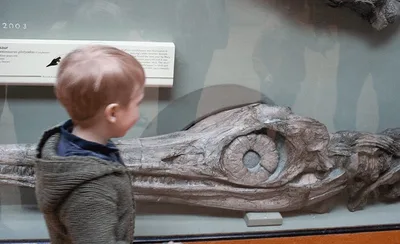
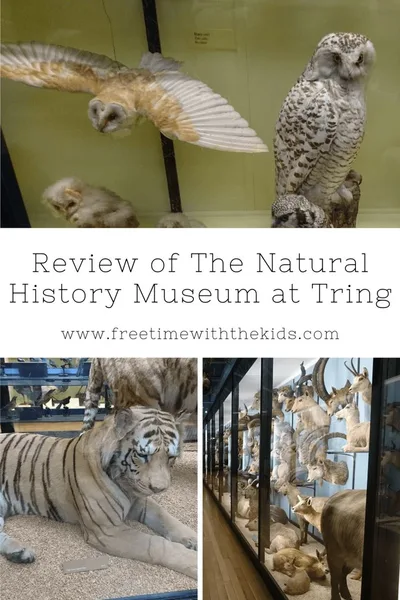

Explore the Natural History Museum in South Kensington through its galleries of animals, fossils and the natural world. General admission is free, and booking a free entry ticket helps secure your visit on busy days. Some exhibitions and events need separate tickets. Check the museum’s current gallery information when planning your family’s route.
At a glance
Rainy day pick
A great choice when the weather is against you
Reviews
No reviews yet. Be the first to share your experience!
Sign in to leave a review
Today

Overcast
22°C
Comfortable and mostly dry
Opening hours
Seasonal details
Plan your visit
London
Worth combining
Recommended next adventures

Science Museum
The Science Museum in London is a renowned institution dedicated to inspiring a …

Jurassic Afternoon Tea at Ampersand Hotel
The Jurassic Afternoon Tea at The Ampersand Hotel in London offers a unique, din…
V&A South Kensington
Discover art, design and making through collections spanning fashion, sculpture,…

Harrods
Harrods is a world-renowned luxury department store located in the heart of Lond…

Paradox Museum London
Paradox Museum London is an immersive attraction located in Knightsbridge, renow…